
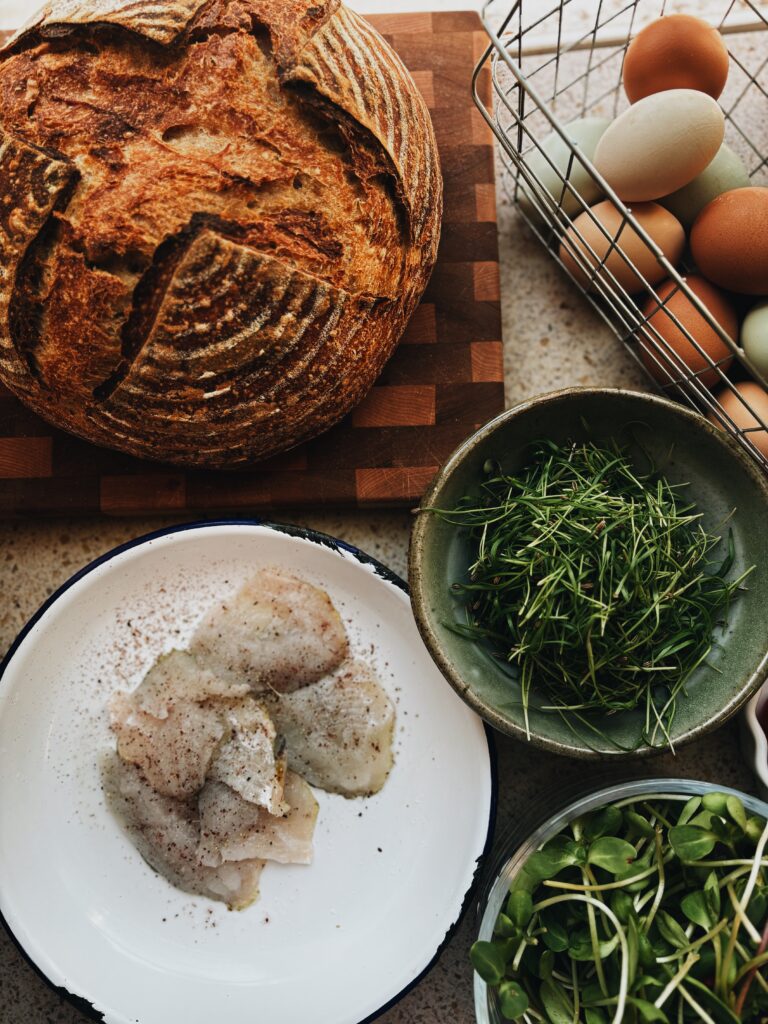
Whether you’re learning to cook for your family, feeding yourself for the first time, or just tired of Googling “why did this burn,” a few simple kitchen facts can transform the way you cook. For me, being a good homemaker meant more than just learning the basics of cooking. I wanted to learn the “why” behind things in the kitchen. Why do some things mix well and others don’t? So in this post, I share some of the key things that have changed the way I make food for my family. These aren’t fancy techniques or chef-level tricks. Just some practical wisdom that instantly makes you a more confident, capable home cook.
Here are the most important Random Facts About Cooking Every Homemaker Should Know.
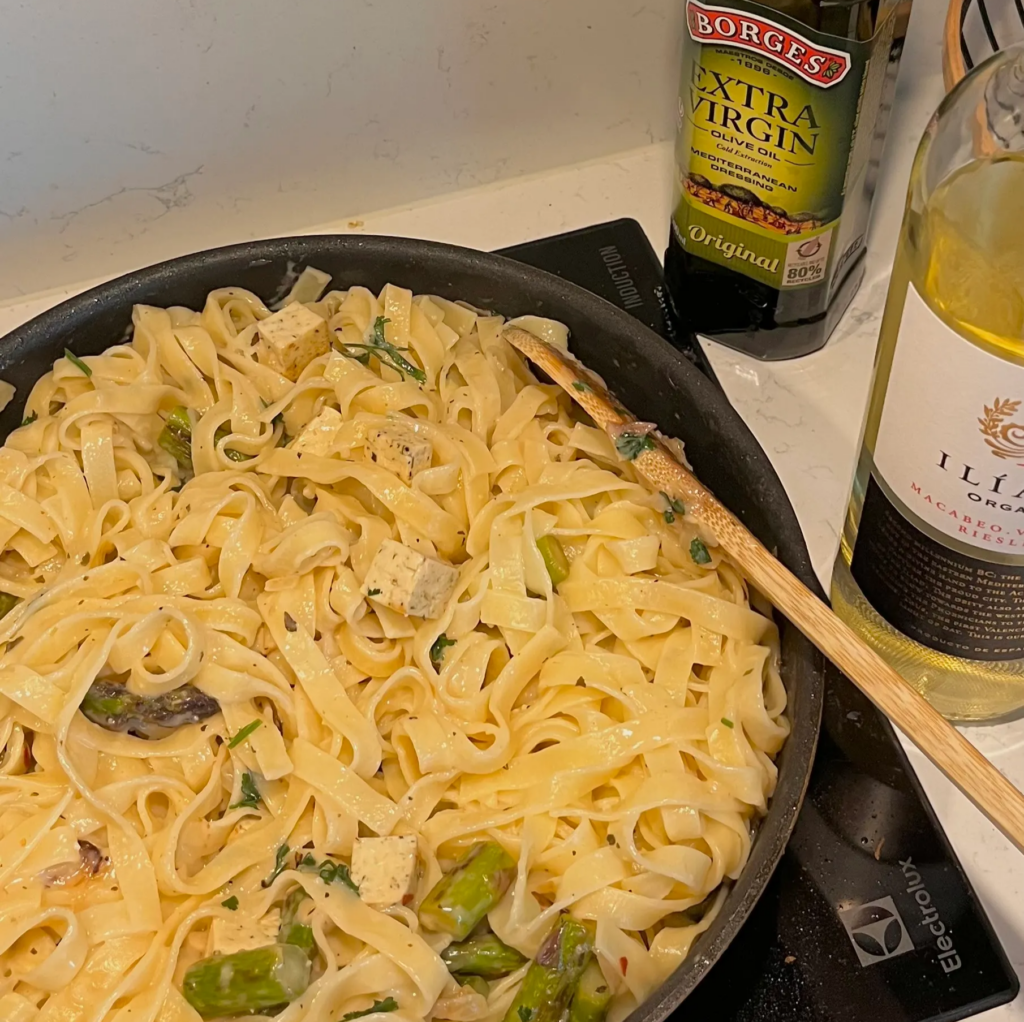
High Heat, Oils, & Searing
Choosing the right oil for the right job makes a huge difference.
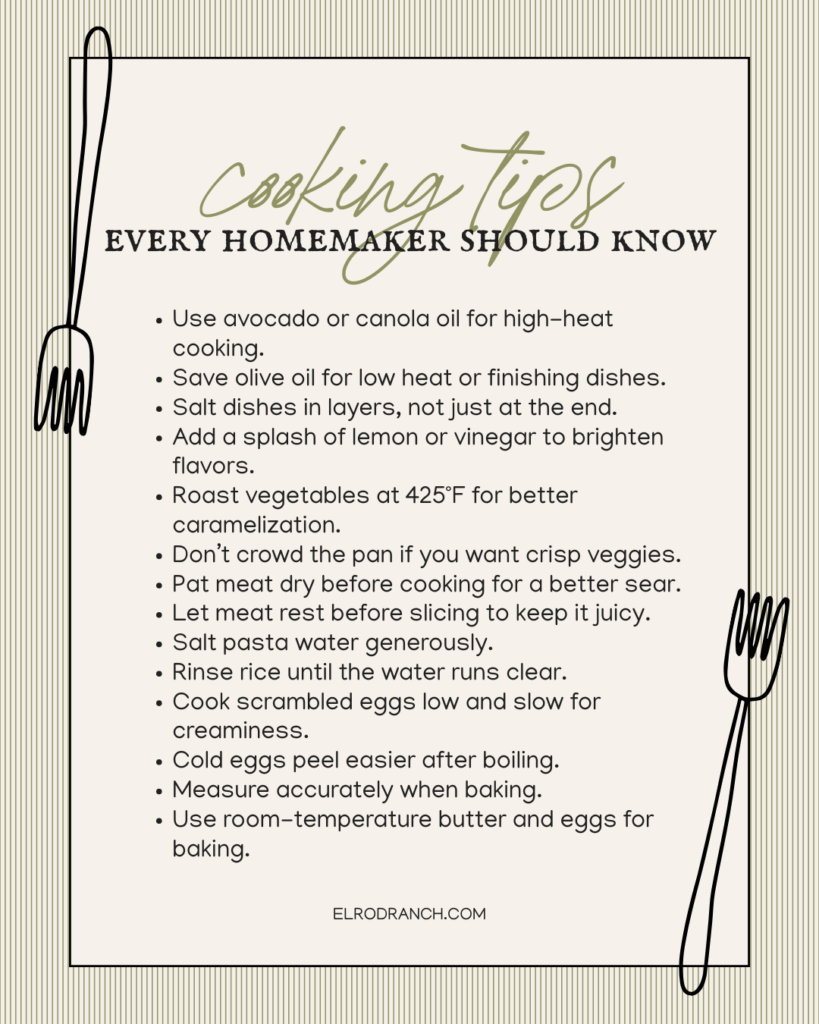
- High-heat oils: avocado, grapeseed, canola, peanut, and refined coconut oil are your go-tos for frying, searing, and stir-frying.
- Low-heat oils: extra virgin olive oil, butter, and sesame oil burn quickly. Save these for drizzling, finishing, or gentle sautéing.
- Butter burns fast, but ghee (clarified butter) can handle high heat while still giving rich, buttery flavor.
- A hot pan = a good sear. Food should sizzle the moment it touches the surface.
- Don’t crowd the pan. Too much food at once releases steam, which prevents browning.
Seasoning & Flavor Basics
Seasoning is the heart of delicious food.
- Salt in layers. Season before, during, and at the end for balanced flavor.
- Acid brightens everything. Lemon juice or vinegar can rescue a dull dish.
- A pinch of sugar can balance tomato-heavy dishes or spicy foods.
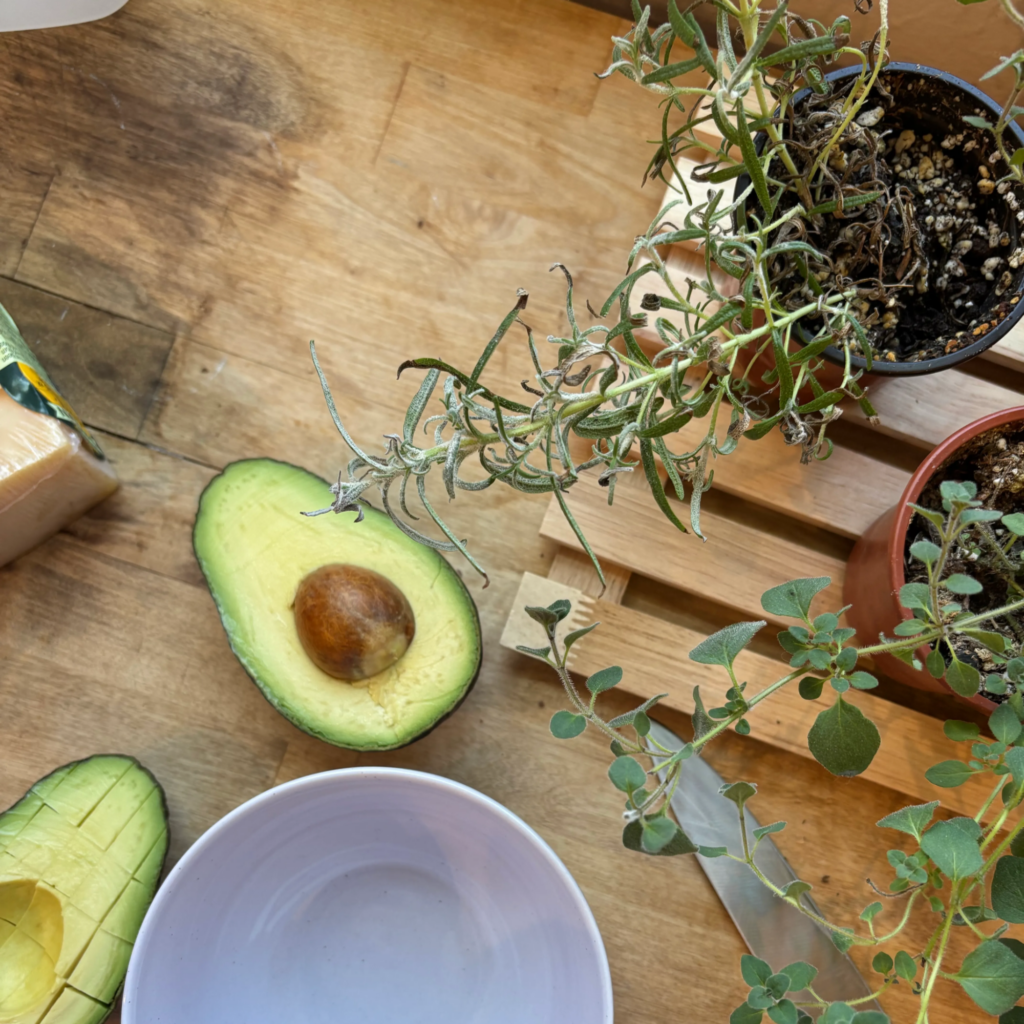
- Fresh herbs:
- Add hard herbs (rosemary, thyme) early — they hold up during cooking.
- Add soft herbs (parsley, cilantro, basil) right before serving.
- Toast spices in a dry pan for 20–30 seconds to unlock deeper flavor.
Cooking Meat
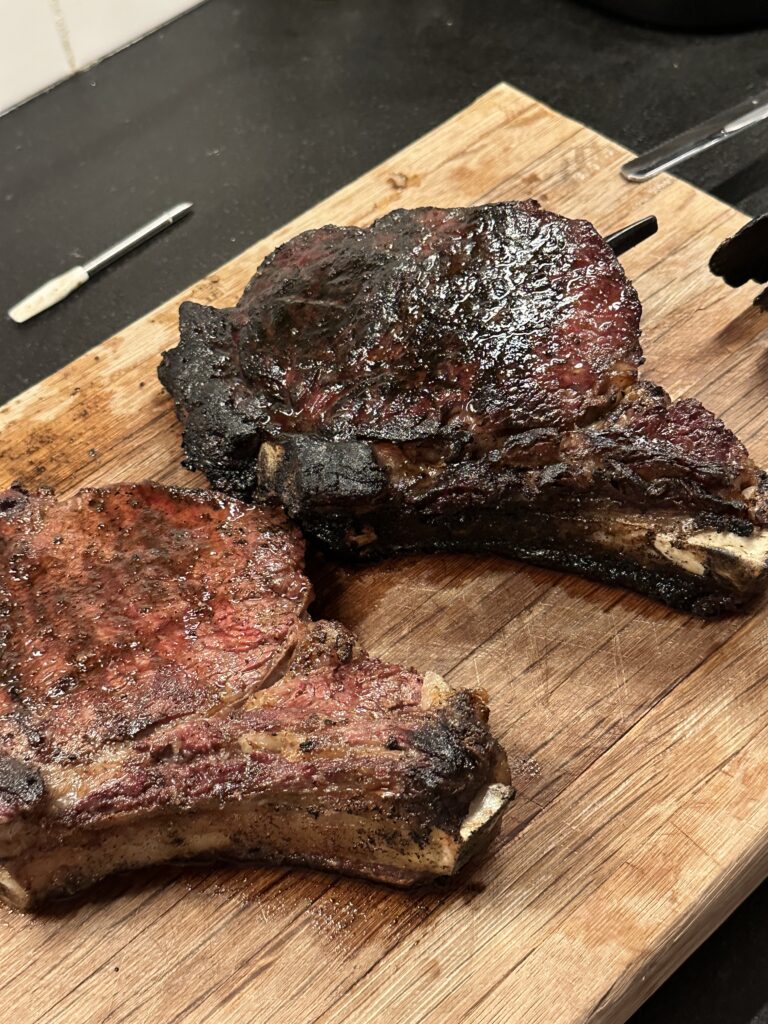
Yes, even beginners can cook juicy, flavorful meat with a few simple habits. You don’t have to be afraid of meat (like I am sometimes…ha!)
- Let meat rest after cooking so the juices can redistribute.
- Pat meat dry before seasoning. Moisture prevents browning.
- Avoid constant flipping. When meat is ready to turn, it naturally releases from the pan.
- Slow cooker rule: Avoid adding dairy or pasta at the start; they break down into mush or curdle.
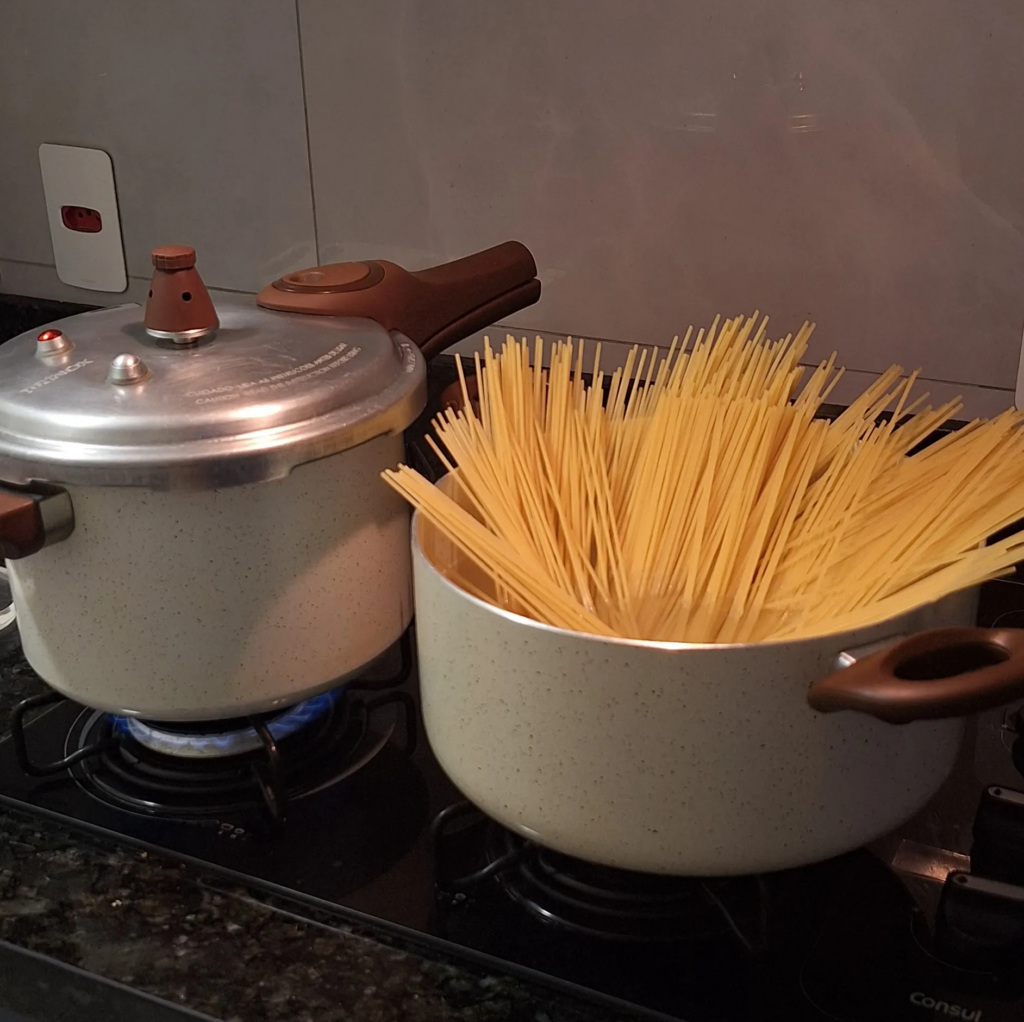
Pasta, Rice & Grain Tips
These small details make everyday staples taste restaurant-worthy.
- Salt pasta water generously: it should taste like the ocean.
- Never rinse hot pasta unless you’re making a cold dish; rinsing washes off the starch.
- Rinse rice until the water runs mostly clear for fluffy, non-sticky results.
- Always rinse quinoa to remove bitterness.
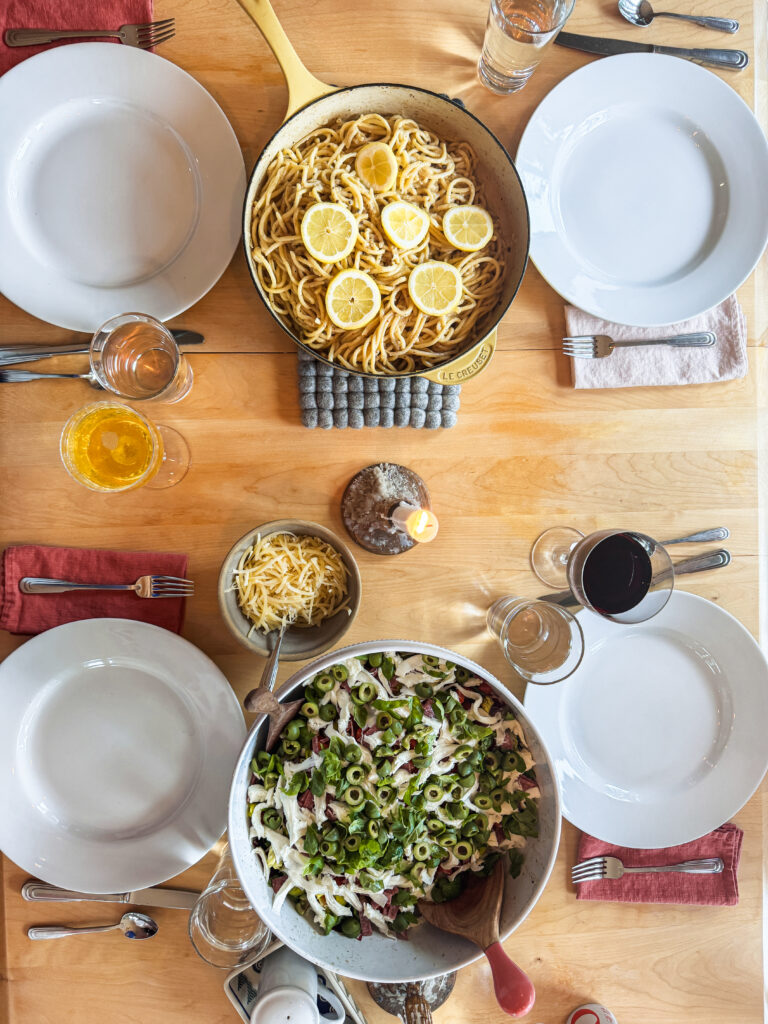
Vegetables
If you grew up thinking vegetables were boring, it’s probably because they were boiled to death.
- Roast at high heat (400–450°F) for caramelization and real flavor.
- Avoid boiling unless you need to. It drains nutrients and taste.
- Salt draws moisture out, which helps veggies like zucchini brown instead of becoming soggy.
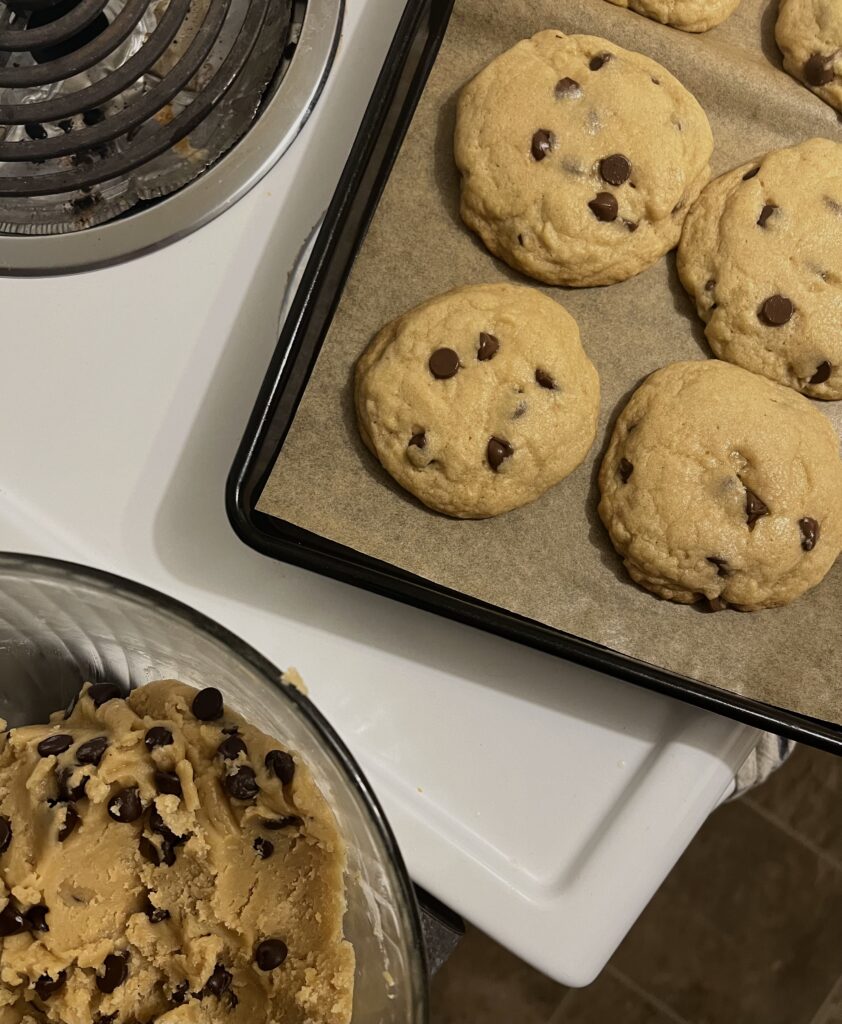
Baking Basics
Baking is a science!
- Measure accurately. Too much flour = dense baked goods.
- Use room-temperature ingredients for smoother batters.
- Don’t overmix. It creates tough textures.
- Check your oven temp. Many ovens run hotter or cooler than the dial says.

Pantry & Kitchen Smarts
Little habits that make cooking easier and meals tastier:
- Keep a simple trio: Olive oil (flavor), avocado oil (high heat), butter (richness).
- Chicken broth is an instant flavor booster for rice, soups, and sauces.
- Taste as you go: the #1 cooking rule.
- Add garlic after onions so it doesn’t burn.
- Remember the magic ratio: acid + fat = flavor. Think olive oil + lemon juice, or mayo + vinegar.
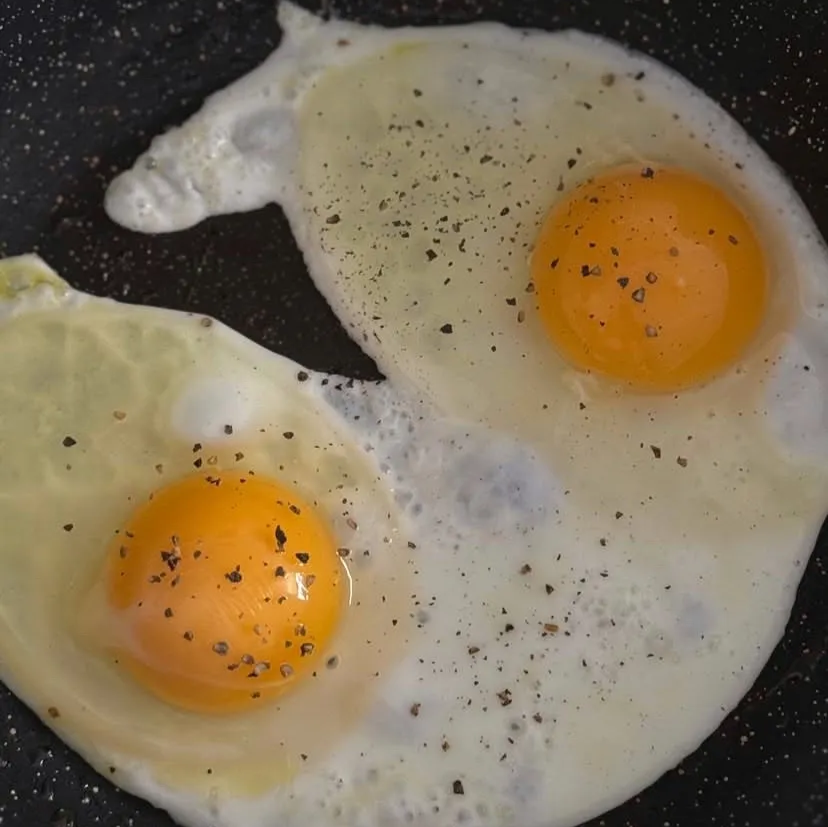
Egg Wisdom
Eggs are simple, but technique matters.
- Scrambled eggs: Low and slow = soft and creamy. Higher heat = firmer and fluffy.
- Cold eggs peel easier after boiling.
- Use the float test to check freshness. Floating means the egg is old.
Start Practicing!
Cooking doesn’t have to be stressful or complicated. With a few foundational tricks and an understanding of how flavors and heat work, you can become a confident homemaker in your kitchen. Start with these simple facts, practice often, and you’ll be amazed at how quickly your skills grow!
Need some recipes to try? Click Here!
Subscribe here for FREE to get notifications on new posts like this one!

hey there!
I'm Sarah Elrod
I'm one half of Elrod Ranch and the person you will likely hear from the most! I am the creative marketer behind our brand. I'm a photographer, social media lover, and entrepreneurship nerd.
I'm super passionate about sharing our faily story and day to day lives which is exactly what you can expect around here!
Everything from recipes I am cooking up, to the animals we have, my best hacks for raising cow kids and more!
I'm so glad you're here!
- Top Categories -
