
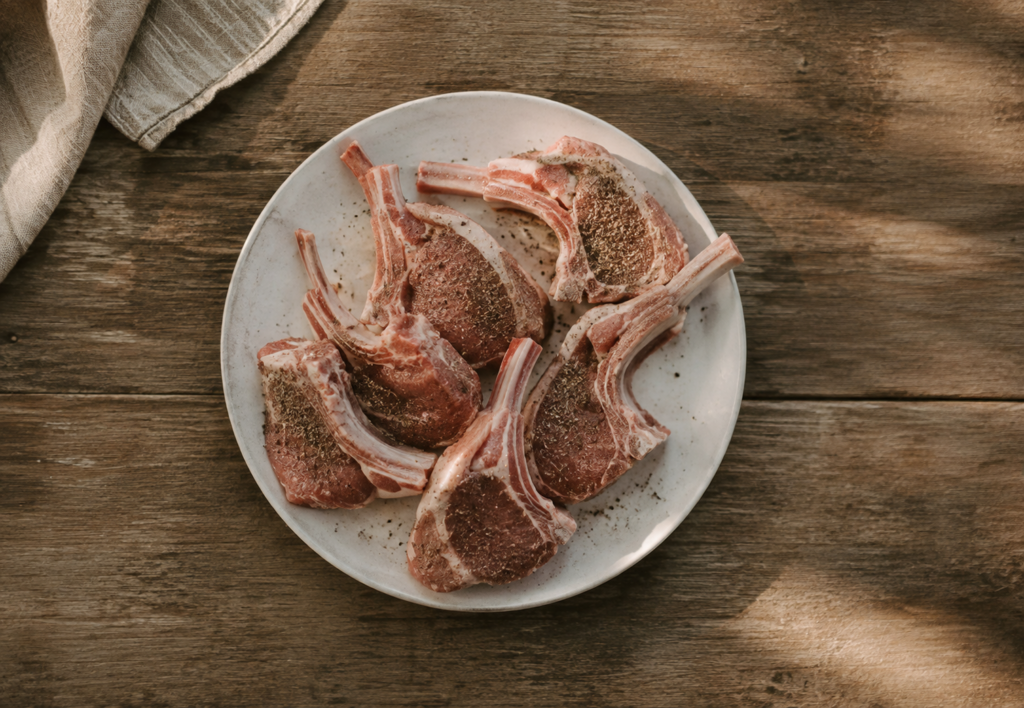
You’ve never cooked lamb before, you’re not alone. While beef and chicken tend to dominate dinner tables in America, lamb is quietly one of the most nutrient-dense, flavorful, and wholesome meats available.
Whether you’re trying to eat more protein, support your family’s health, or simply source your food from local farms (oh hey there!), lamb deserves a place on your plate.
At Elrod Ranch, we believe knowing where your food comes from matters. Today, we’re breaking down the nutritional facts about lamb meat, its health benefits, and why more families are choosing pasture-raised lamb.
Is Lamb Healthy?
The short answer? Yes.
Lamb is a complete protein packed with essential vitamins and minerals that your body needs to thrive. It contains high-quality protein, healthy fats, iron, zinc, and several B vitamins, making it an excellent choice for growing children, active adults, and anyone looking to eat nutrient-dense foods.
Unlike highly processed meats, lamb is naturally rich in nutrients without needing additives or fillers.
Lamb Nutrition Facts
A typical serving of cooked lamb contains approximately: (Per 3.5 oz / 100g Cooked Serving)
- Calories: 250–290
- Protein: 25–28 grams
- Fat: 16–20 grams
- Carbohydrates: 0 grams
- Iron: About 14% of the Daily Value
- Zinc: About 35% of the Daily Value
- Vitamin B12: Over 100% of the Daily Value
- Niacin (Vitamin B3): About 30% of the Daily Value
- Selenium: About 20% of the Daily Value
- Phosphorus: About 20% of the Daily Value
Keep in mind that nutrition varies slightly depending on the cut of meat and whether the lamb was grass-fed or grain-finished.
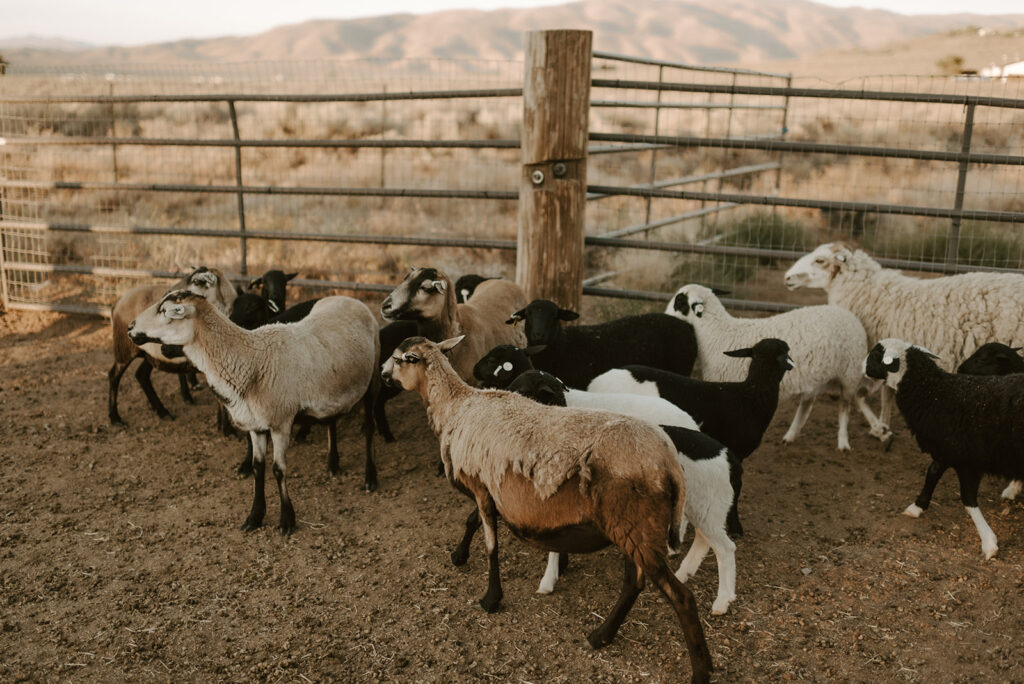
7 Health Benefits of Eating Lamb
1. Excellent Source of Complete Protein
Protein is essential for building muscle, repairing tissues, producing hormones, and supporting a healthy immune system.
Lamb contains all nine essential amino acids, making it a complete protein source.
For families with growing kids, athletes, or anyone trying to stay full longer, lamb is an incredibly satisfying option.
2. Rich in Iron
Iron helps your body produce healthy red blood cells and transport oxygen throughout the body.
Lamb contains heme iron, the form of iron that’s much easier for your body to absorb than the iron found in plants.
This makes lamb especially beneficial for:
- Women of childbearing age
- Pregnant women (when recommended by their healthcare provider)
- Growing children
- People prone to iron deficiency
3. Packed with Vitamin B12
Vitamin B12 supports:
- Brain function
- Healthy nerves
- DNA production
- Red blood cell formation
Since B12 is only naturally found in animal foods, lamb is an excellent way to meet your daily needs.
One serving often provides more than your entire recommended daily intake.
4. Supports a Healthy Immune System
Lamb is naturally high in zinc, a mineral that plays an important role in:
- Immune function
- Wound healing
- Cell growth
- Healthy skin
Many Americans don’t consume enough zinc, making lamb an easy way to increase your intake.
5. Contains Healthy Fats
Lamb contains a combination of saturated and unsaturated fats that provide energy and help your body absorb fat-soluble vitamins.
Pasture-raised lamb may also contain higher amounts of beneficial omega-3 fatty acids and conjugated linoleic acid (CLA) compared to conventionally raised animals.
6. Naturally Low in Carbohydrates
Lamb contains zero carbohydrates.
It’s an excellent protein choice for people following:
- Low-carb diets
- Keto diets
- Paleo lifestyles
- Whole-food eating plans
Simply pair it with roasted vegetables, potatoes, rice, or a fresh salad for a balanced meal.
7. Nutrient-Dense Without Being Processed
One of the biggest advantages of lamb is its simplicity.
Fresh lamb contains:
- No added sugars
- No fillers
- No artificial preservatives
- No carbohydrates
It’s simply real food.
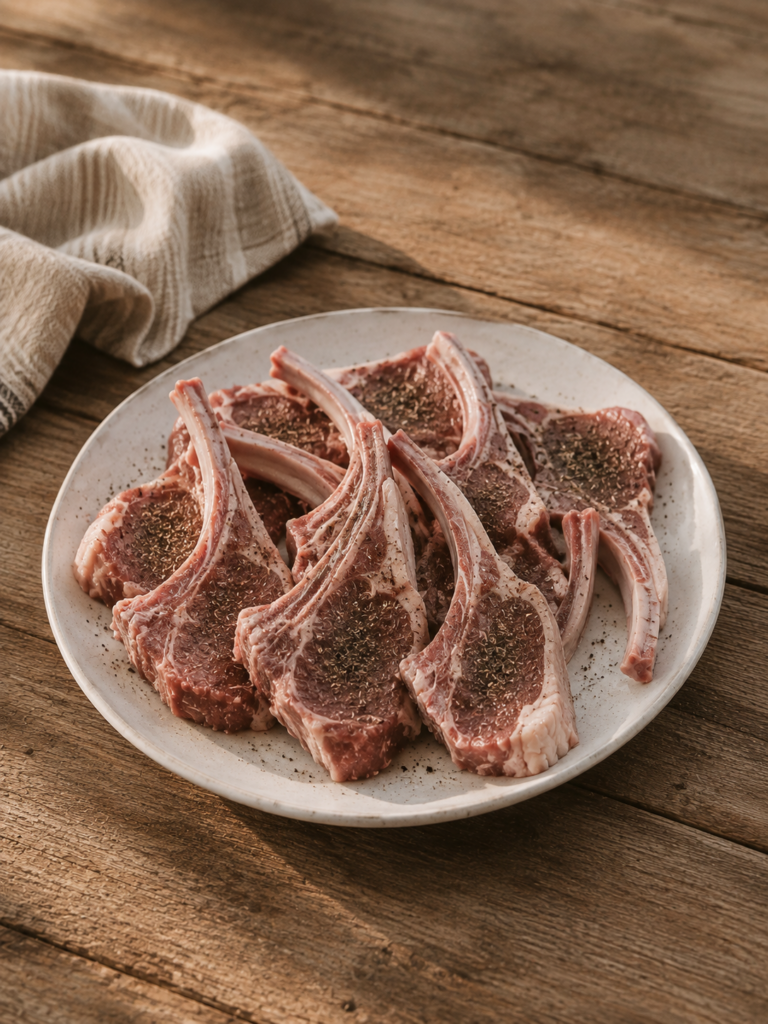
Is Grass-Fed Lamb Better?
Many small farms raise lamb on pasture for much or all of its life.
Pasture-raised lamb may offer several benefits, including:
- Higher omega-3 fatty acids
- More vitamin E
- Higher levels of CLA
- A more natural diet for the animal
Just as importantly, buying directly from local ranchers allows you to know exactly where your meat comes from and ask questions about how the animals were raised.
What Does Lamb Taste Like?
One reason people hesitate to try lamb is because they’ve heard it has a “gamey” flavor.
The truth is that flavor varies depending on:
- The age of the animal
- Breed
- Diet
- Cut of meat
- Cooking method
Many first-time buyers are surprised by how mild and tender high-quality lamb can be.
Ground lamb is often the easiest place to start and works wonderfully in burgers, meatballs, tacos, shepherd’s pie, pasta sauces, and chili.
Easy Ways to Cook Lamb
If you’re new to cooking lamb, try:
- Grilled lamb chops
- Slow-cooked lamb roast
- Ground lamb burgers
- Lamb meatballs
- Shepherd’s pie
- Lamb tacos
- Mediterranean bowls
- Lamb chili
It’s incredibly versatile and can replace beef in many recipes.
Why We Love Raising Lamb
At Elrod Ranch, we’re passionate about raising animals with care and sharing nutritious food with other families.
We believe food tastes better when you know the people who raised it – get to know us here!
Whether you’re buying your first package of ground lamb or stocking your freezer with a whole lamb, you’re choosing a protein that’s nourishing, versatile, and packed with nutrition.
We can’t wait to share our lamb with your family.

Join Our Lamb Waitlist
We’re working toward offering pasture-raised lamb directly from our ranch.
If you’d like to be among the first to know when lamb is available, join our waitlist and be the first to receive updates, availability, and ordering information.
We’d love to feed your family.
Frequently Asked Questions
Is lamb healthier than beef?
Both are nutritious, but lamb is especially rich in vitamin B12, zinc, and high-quality protein. The nutritional differences depend on the cut of meat and how the animals were raised.
Is lamb good for weight loss?
Lamb is high in protein, which helps keep you full longer and supports muscle maintenance. Choosing leaner cuts and pairing them with vegetables can fit well into a balanced eating plan.
Is lamb inflammatory?
Fresh, minimally processed lamb is not inherently inflammatory. Overall dietary patterns, portion sizes, and preparation methods play a much larger role in health than any single food.
Can kids eat lamb?
Absolutely. Lamb provides protein, iron, zinc, and vitamin B12, all of which are important nutrients for growing children. Be sure it’s cooked appropriately and served in age-appropriate pieces.
What is the healthiest cut of lamb?
Lean cuts like the loin, leg, and sirloin tend to be lower in fat while still providing plenty of protein and essential nutrients.

hey there!
I'm Sarah Elrod
I'm one half of Elrod Ranch and the person you will likely hear from the most! I am the creative marketer behind our brand. I'm a photographer, social media lover, and entrepreneurship nerd.
I'm super passionate about sharing our faily story and day to day lives which is exactly what you can expect around here!
Everything from recipes I am cooking up, to the animals we have, my best hacks for raising cow kids and more!
I'm so glad you're here!
- Top Categories -
